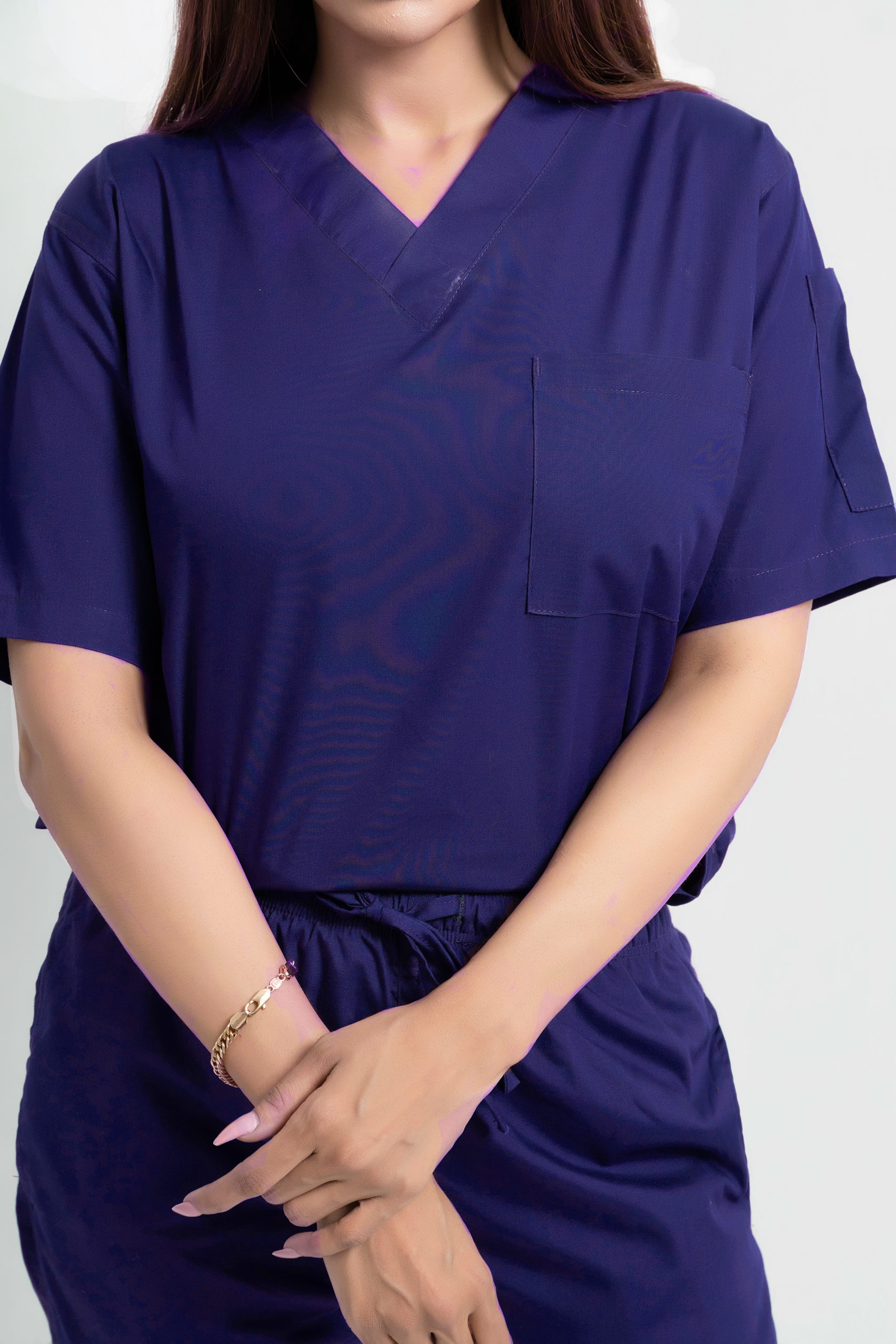
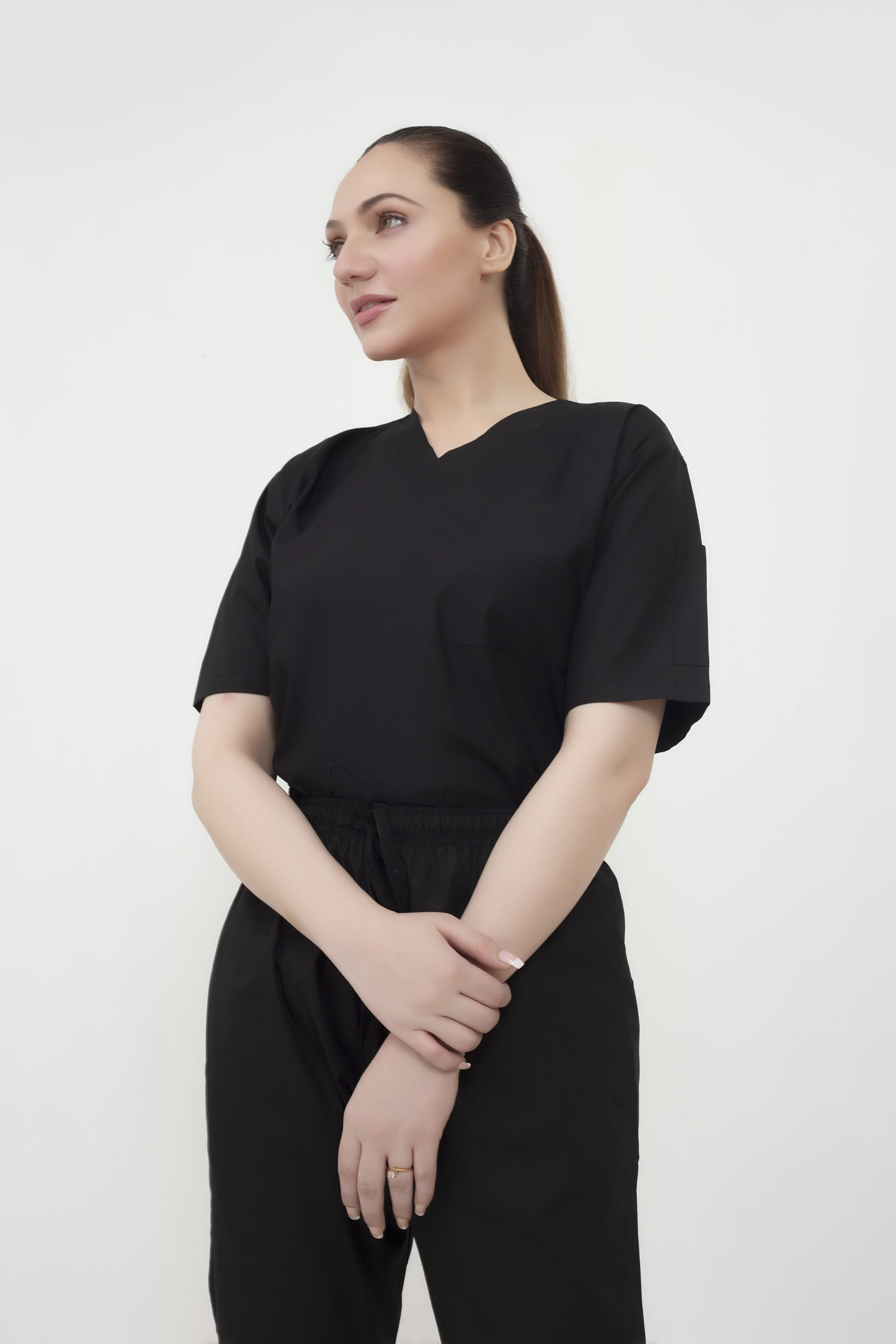
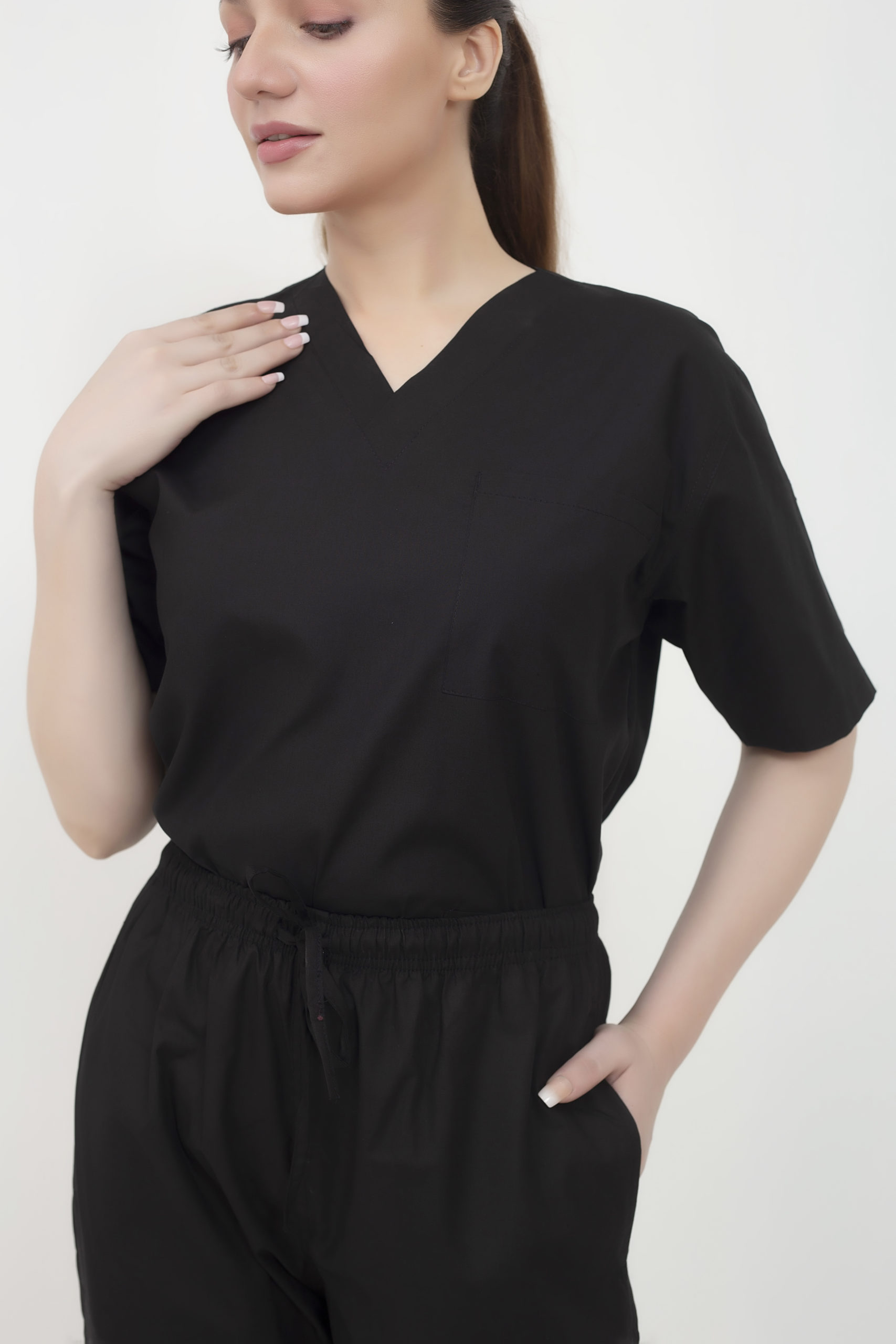
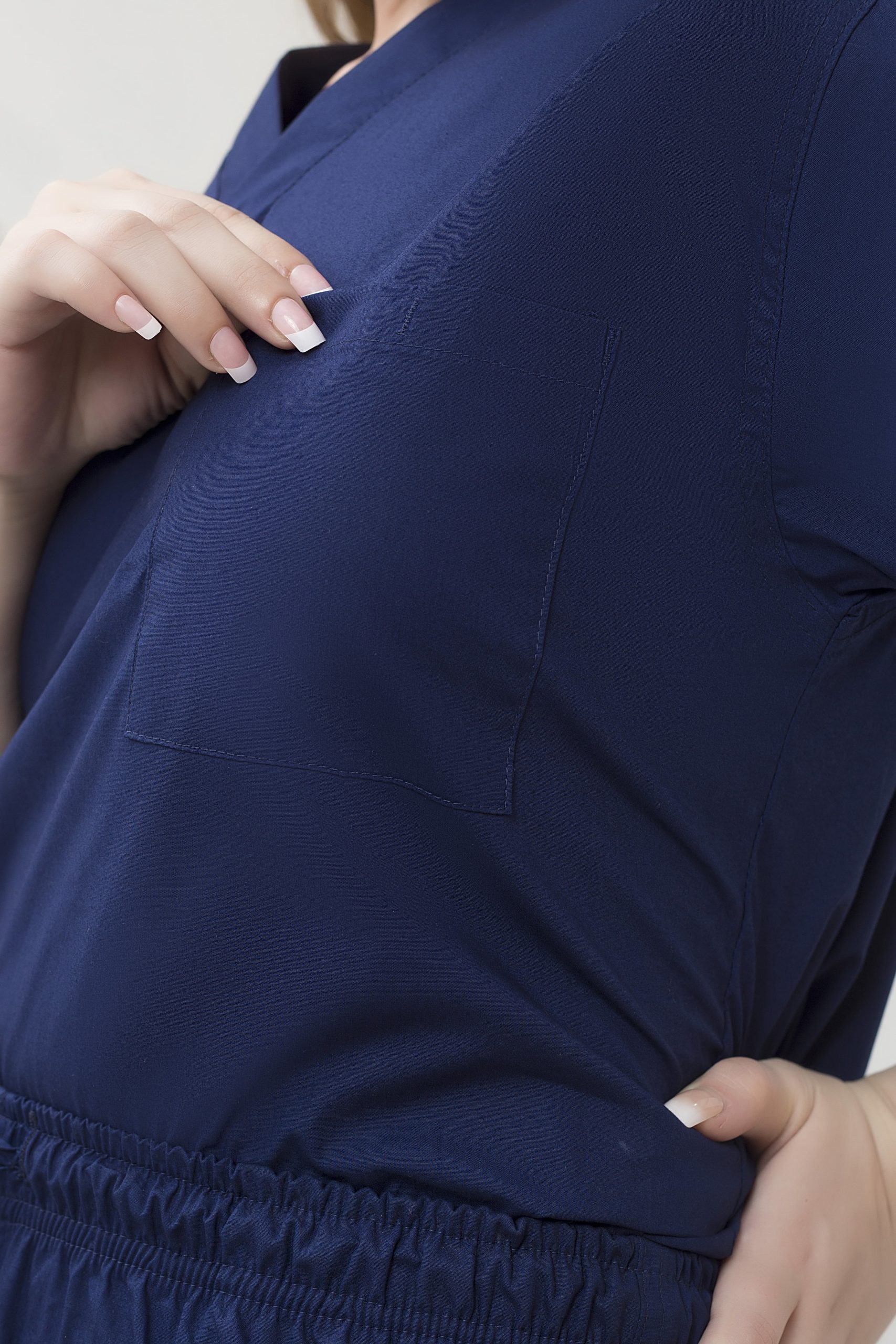
Working in healthcare means facing unpredictable situations every day. From unexpected spills to long shifts in warm environments, finding scrubs that keep you dry and comfortable is essential. If you’ve ever wondered whether scrubs are waterproof for women or how to stay cool during those sweaty twelve-hour shifts, you’re in the right place.
True waterproof scrubs are rare in the medical apparel industry. Most scrubs labeled as “waterproof” are actually water-resistant or feature moisture-repellent finishes. The distinction matters: waterproof fabrics create a complete barrier against liquids, while water-resistant materials can withstand light splashes and moisture but aren’t impenetrable.
Most medical professionals don’t need fully waterproof scrubs for everyday wear. Instead, they benefit from fabrics treated with special finishes that cause liquids to bead up and roll off the surface, giving you time to wipe away spills before they soak through.
Water-resistant scrubs offer several advantages for healthcare workers:
Protection from Spills and Bodily Fluids: Medical environments are unpredictable. Water-resistant fabrics give you an extra layer of protection when accidents happen, keeping you cleaner and more professional throughout your shift.
Easier Maintenance: Fabrics that repel moisture are typically easier to clean and less likely to stain, which means your scrubs look newer for longer.
Enhanced Confidence: Knowing your scrubs can handle unexpected situations lets you focus on patient care rather than worrying about your appearance.
Extended Garment Life: By preventing liquids from penetrating fabric fibers, water-resistant treatments can help reduce wear and tear, making your investment last longer.
While completely waterproof scrubs are uncommon, several brands offer water-resistant and liquid-repellent options:
FIGS has developed proprietary fabrics with antimicrobial and moisture-wicking properties that resist light spills. Their four-way stretch material also includes some liquid-repellent capabilities.
Cherokee Workwear offers scrubs with stain-resistant finishes that help protect against common healthcare spills.
Landau produces scrubs with treated fabrics designed to resist stains and moisture, making cleanup easier after messy situations.
Dickies Medical incorporates moisture-wicking technology in many of their collections, helping keep skin dry even if the fabric gets wet.
Moisture-wicking fabrics are game-changers for healthcare professionals who deal with heat, stress, and physical activity. Unlike waterproof materials that create barriers, moisture-wicking technology actively pulls perspiration away from your skin and spreads it across the fabric’s surface where it can evaporate quickly.
The science behind it involves specially engineered synthetic fibers or treated natural fibers with capillary action. These fabrics have tiny channels that draw moisture outward through a process similar to how a plant’s roots pull water upward. This keeps your skin drier and more comfortable, even during the most demanding shifts.
The best moisture-wicking scrubs share several key characteristics:
Quick Drying Capability: Quality moisture-wicking fabrics dry significantly faster than traditional cotton, which means you’re not sitting in damp clothing after physical exertion.
Breathability: These fabrics allow air to circulate, helping regulate body temperature and preventing that clammy feeling.
Lightweight Construction: Moisture-wicking scrubs typically feel lighter on your body, reducing fatigue during long shifts.
Odor Resistance: Many moisture-wicking fabrics include antimicrobial treatments that prevent bacteria growth and keep scrubs fresher between washes.
Stretch and Recovery: Most modern moisture-wicking scrubs incorporate spandex or elastane, providing freedom of movement without losing shape.
Finding the right moisture-wicking scrubs depends on your specific needs, but several options consistently receive high marks from healthcare professionals:
FIGS Casma Three-Pocket Scrub Top: This popular option combines moisture-wicking properties with a flattering fit. The ridiculously soft fabric has four-way stretch and keeps you cool during busy shifts.
Cherokee Infinity: This collection features CK365 moisture-wicking technology that actively pulls sweat away from the skin. The fabrics are soft, stretchy, and designed specifically for all-day comfort.
Healing Hands Purple Label: Known for exceptional softness and moisture management, these scrubs include yoga waistbands and thoughtful design details that healthcare workers love.
Carhartt Cross-Flex: If durability is your priority, Carhartt’s medical line offers rugged moisture-wicking scrubs that can handle the toughest shifts while keeping you dry.
Butter Soft Scrubs by UA: These combine the luxury feel of butter-soft fabric with practical moisture-wicking properties, giving you both comfort and functionality.
Working in hot, high-stress environments requires thoughtful consideration when selecting scrubs. Here’s what matters most:
Fabric Composition: Look for blends that include polyester, nylon, or specialized synthetic fibers. These materials wick moisture better than 100% cotton. Ideal blends often contain 5-15% spandex for stretch, with the remainder being moisture-managing synthetics.
Weight and Thickness: Lighter-weight fabrics (typically 4-6 ounces per square yard) provide better breathability. However, be careful not to sacrifice opacity, you still want adequate coverage.
Ventilation Design: Some scrubs feature mesh panels, vented backs, or strategic cutouts that enhance airflow without compromising professionalism.
Color Selection: Darker colors and patterns show sweat less than light solids. Navy, charcoal, and printed scrubs are practical choices for high-perspiration situations.
Fit Considerations: Scrubs that are too tight trap heat and restrict airflow, while overly loose scrubs can feel heavy when damp. Look for athletic or modern fits that skim your body without clinging.
Based on feedback from nursing communities and healthcare forums, these scrubs excel in hot environments:
JAANUU Scrubs: Healthcare workers consistently praise these for staying cool and dry. The fabrics have a technical feel without looking clinical, and the moisture-wicking properties work exceptionally well.
Mandala Scrubs: Made from recycled materials, these sustainable scrubs offer impressive breathability and moisture management. They’re particularly popular among environmentally conscious healthcare workers.
FIGS Catarina One-Pocket Top: The lightweight, moisture-wicking fabric of this style makes it a favorite for warm climates and high-intensity units like emergency departments.
Adar Pro Movement Booster Scrubs: These athletic-inspired scrubs feature advanced moisture-wicking technology borrowed from sportswear, making them ideal for physically demanding roles.
Nurses working in particularly hot specialties, such as operating rooms, kitchens, or facilities with poor air conditioning, frequently recommend investing in at least two sets of high-quality moisture-wicking scrubs to rotate during the workweek.
Breathability in scrubs isn’t just about comfort, it directly impacts your performance and wellbeing during long shifts. When fabric allows air to circulate, your body can regulate temperature more effectively, reducing fatigue and helping you stay focused on patient care.
Breathable fabrics prevent heat buildup, which can lead to excessive sweating, discomfort, and even heat-related stress. For healthcare workers who are constantly moving, bending, and rushing from room to room, proper breathability makes the difference between finishing a shift feeling merely tired versus completely drained.
Additionally, breathable scrubs that keep you cooler can improve hygiene. When your body stays at a more comfortable temperature, you perspire less, which means fewer opportunities for bacteria growth and odor development.
When maximum breathability is your priority, consider these standout options:
WonderWink WonderWORK: This line was specifically engineered with breathability in mind. The fabrics feel airy without being sheer, and nurses report staying noticeably cooler compared to traditional scrubs.
Grey’s Anatomy Impact: These scrubs feature strategic fabric construction that enhances airflow while maintaining durability. The athletic-inspired design includes mesh-like qualities without compromising professional appearance.
Cherokee Infinity with CK365: The breathable fabric technology in this collection creates tiny air channels that promote ventilation while still wicking moisture away from skin.
Dickies Dynamix: These scrubs incorporate breathable panels and mesh details in strategic locations, providing extra ventilation where you need it most.
Beyond Scrubs Active: Designed with athletic performance in mind, these scrubs maximize breathability through fabric selection and construction techniques borrowed from sportswear.
Healthcare professionals working in hot specialties like surgical suites, where layers and sterile gowns add extra warmth, particularly benefit from investing in the most breathable base layer scrubs available.
Medical fashion has evolved significantly, and seasonal scrubs now offer both style and function. Current trends include:
Spring Collections: Featuring softer pastels, floral prints, and lighter-weight fabrics that celebrate warmer weather while maintaining professionalism.
Summer Options: Bright colors, tropical prints, and ultra-breathable fabrics designed for maximum cooling during hot months.
Fall Releases: Richer jewel tones, cozy textures like butter-soft fabrics, and warming layers such as stylish scrub jackets become popular.
Winter Styles: Deeper colors, thermal underlayers designed to work with scrubs, and comfortable scrub jackets that provide warmth without bulk.
Many brands now release limited-edition seasonal prints and colors, allowing healthcare workers to express personality while staying comfortable. Holiday-themed scrubs have also become incredibly popular, letting staff show festive spirit while working.
Adapting your scrubs to different seasons doesn’t mean buying an entirely new wardrobe. Smart layering and accessories make all the difference:
Spring Styling: Pair lightweight moisture-wicking scrubs with a breathable scrub jacket for unpredictable temperatures. Add pops of color with fun compression socks or patterned undershirts.
Summer Approach: Stick with the most breathable scrubs in your collection and minimize layers. Choose moisture-wicking undershirts if needed, and keep a lightweight cardigan handy for overly air-conditioned spaces.
Fall Layering: Start incorporating the comfiest over-the-head nursing scrub jackets or zip-up warmup jackets. These provide warmth while remaining easy to remove if facilities get warm.
Winter Warmth: Layer with thermal undershirts made from moisture-wicking materials, add a Healing Hands scrub sweater (thick enough for warmth but breathable), and consider fleece-lined jogger-style scrub pants for extra comfort.
Remember that facility temperatures can vary dramatically between units, so having layering options in your locker ensures you’re prepared for any environment.
Most scrubs are not truly waterproof, but many offer water-resistant or moisture-repellent finishes. These treatments cause liquids to bead up on the surface, giving you time to wipe away spills before they soak through. For healthcare settings, water-resistant scrubs combined with moisture-wicking properties provide the best balance of protection and comfort.
Moisture-wicking scrubs are made from fabrics engineered to pull perspiration away from your skin and spread it across the fabric’s outer surface for quick evaporation. This technology keeps you drier and more comfortable during physically demanding shifts. Most moisture-wicking scrubs use synthetic fibers or treated natural fibers with special capillary action that actively moves moisture outward.
The best scrubs for sweating combine moisture-wicking technology with breathable, lightweight fabrics. Top choices include FIGS Casma, Cherokee Infinity with CK365 technology, Jaanuu scrubs, and Mandala scrubs. Look for fabrics with polyester or nylon blends, spandex for stretch, and weights between 4-6 ounces per square yard. Darker colors and patterns also show perspiration less than light solids.
When selecting breathable scrubs, prioritize lightweight synthetic blends that allow air circulation. Check for mesh panels, vented designs, or strategic cutouts that enhance airflow. Read reviews from healthcare workers in similar climates or specialties. Test the fabric by holding it up to light—more light penetration generally indicates better breathability. Also ensure the fit isn’t too tight, as this restricts airflow and traps heat against your body.
The best women’s scrubs depend on your specific needs, but consistently top-rated options include FIGS for modern style and quality, Cherokee for affordability and comfort, Jaanuu for technical performance, Healing Hands for luxurious softness, and Carhartt for durability. According to nursing communities on Reddit and elsewhere, FIGS Casma tops, Cherokee Infinity collections, and any butter-soft scrubs receive particularly high marks for combining comfort, functionality, and professional appearance.
While truly waterproof scrubs for women are rare, modern medical apparel offers impressive water-resistant and moisture-wicking technologies that keep you comfortable, dry, and professional throughout demanding shifts. The key is understanding the difference between waterproof and moisture-managing features, then selecting scrubs that match your specific work environment and personal needs.
Investing in quality moisture-wicking scrubs pays dividends in comfort, confidence, and garment longevity. Whether you’re working through hot summer shifts, dealing with unpredictable spills, or simply want scrubs that keep you feeling fresh from start to finish, the right combination of breathable, moisture-managing fabrics will transform your workday experience.
Remember that the best scrubs are the ones you’ll actually want to wear, so prioritize comfort alongside functionality, and don’t hesitate to try multiple brands until you find your perfect fit.

 Optimized by Seraphinite Accelerator